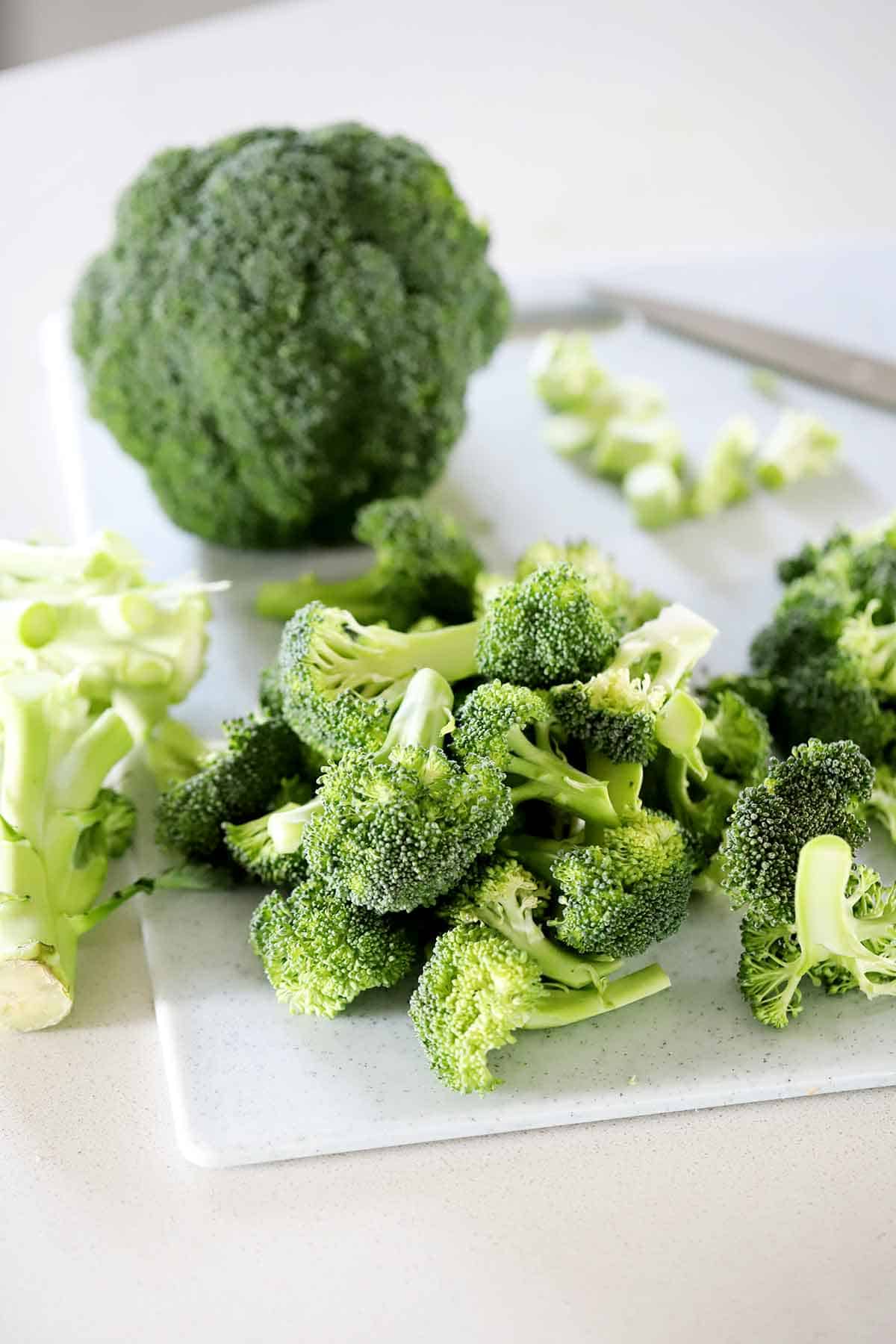
Broccoli, with its vibrant green hue and versatile nature, is a nutritional powerhouse that deserves a regular spot on your plate. However, for many home cooks, the act of preparing a fresh head of broccoli can feel like an unnecessary chore, often resulting in a messy cutting board, uneven florets, and a surprising amount of waste. If you’ve ever found yourself hacking away at a beautiful crown of broccoli, leaving a trail of tiny green crumbs and oddly shaped pieces, you're not alone. The good news? Learning how to cut broccoli properly is not only simple but also transformative, allowing you to maximize this healthy vegetable with minimal fuss and zero frustration.
This comprehensive guide will demystify the art of cutting broccoli into perfect florets of any size – big, small, or bite-sized – for any meal. We’ll reveal the clever techniques that prevent mess, reduce waste, and ensure you get the most out of every head. Prepare to turn your broccoli cutting woes into a confident, clean, and efficient process!
Taming the Crown: Why Proper Technique Matters
Before diving into the steps, let's understand why mastering how to cut broccoli is a game-changer. Beyond the obvious aesthetic appeal of uniform florets, a proper cutting technique offers several significant advantages:
- Reduced Mess: The biggest complaint about cutting broccoli is often the confetti-like scattering of tiny green buds. Our method largely eliminates this, keeping your workspace clean.
- Minimal Waste: Many people mistakenly discard the thick, edible stem of broccoli. We’ll show you how to utilize almost every part of the vegetable, making your grocery dollar go further.
- Even Cooking: Uniformly sized florets cook more evenly, preventing some pieces from becoming mushy while others remain too firm. This is especially crucial for roasting, steaming, or stir-frying.
- Versatility for Any Dish: Whether you need large florets for a striking roasted side, medium pieces for a robust stir-fry, or tiny bite-sized bits to sneak into mac and cheese for picky eaters, our technique allows for complete control.
- Enhanced Flavor and Texture: By cutting properly, you preserve more of the tender parts of the florets and stems, leading to a better eating experience.
The "secret" to achieving all this? It lies in focusing your knife work on the stems, not the delicate florets themselves. This simple shift in approach makes all the difference.
Your Essential Toolkit and Prep for Cutting Broccoli
You don't need a professional kitchen setup to master how to cut broccoli. Just a few basic items will suffice:
- A Sharp Chef’s Knife: This is your most important tool. A sharp knife makes clean cuts, requires less force, and is ultimately safer than a dull one.
- Sturdy Cutting Board: A stable, non-slip surface is crucial for safety and efficiency.
- A Head of Fresh Broccoli: Look for broccoli with tight, dark green florets and a firm stem. Avoid any yellowing or soft spots, which indicate spoilage.
Before you begin cutting, a quick wash and dry of your broccoli head are in order. A simple rinse under cool water will remove any surface dirt. Pat it dry with a clean kitchen towel to ensure a better grip and prevent slipping.
The Art of Disassembly: From Whole Head to Large Florets
This is where we begin the magic of transforming a whole broccoli crown into manageable pieces. The key is to start by separating the main florets from the tough central stalk, prioritizing cuts into the stems rather than the delicate green buds.
Step 1: Detach the Outer Florets from the Main Stem
Hold the broccoli crown upside down (stem facing up) on your cutting board. Using your sharp knife, make downward cuts around the circumference of the thick central stem. Aim to slice through the individual stems that connect the florets to the core. Leave about an inch of the individual floret stem intact – this part is tender and delicious, perfect for eating!
Continue working your way around the central stem, separating all the major florets. As you go, you'll notice how cleanly the florets detach when you cut through their connecting stems. Unlike hacking directly into the crown, this method prevents the scattering of tiny florets.
Step 2: Unveiling the Inner Structure (and Utilizing the Remaining Stem)
Once the outer florets are removed, you'll be left with the main, thick central stem and possibly some smaller, inner florets still attached. Don't discard this stem! It's incredibly nutritious and delicious. We'll cover how to prepare it fully later.
For now, if there are any remaining florets clinging to the central stem, carefully slice them off in the same manner, cutting through their stems. Now you should have a collection of various-sized florets and a peeled central stem, ready for further processing.
This initial separation is a fundamental step in learning how to cut broccoli efficiently. It’s similar to how you might approach Cut Broccoli Without the Mess: Easy Florets & Zero Waste, ensuring that you maximize every part of the vegetable.
Sizing Up Your Florets: From Large to Bite-Size for Any Meal
Now that you have your primary florets, it's time to tailor them to your specific culinary needs. Some might already be perfectly sized, but many will be too large and need further reduction. This next stage focuses on creating uniform, mess-free florets of various sizes.
Creating Uniform Large Florets (The "Pull-Apart" Method)
For many recipes, such as roasting, steaming, or adding to a hearty stew, you'll want florets that are roughly 1.5 to 2 inches in size, with a good amount of green bud on top. The trick to reducing larger florets without creating a mess is the ingenious "pull-apart" method:
- Take a large floret and hold it on your cutting board with the stem facing up.
- Carefully make a vertical incision about 1/2 to 1 inch down through the center of the stem. Do NOT cut all the way through the green crown.
- Once you've made the incision, use your hands to gently grab each half of the cut stem and pull the floret apart. The natural structure of the broccoli will guide the separation, creating two perfectly sized florets with minimal crumbling.
- Repeat this process for any other large florets until they are all the desired size.
This technique is a revelation for anyone who has struggled with uneven florets and scattered green bits. For a visual guide and more detailed tips on this method, check out our article on How to Cut Broccoli Florets: A Step-by-Step, No-Waste Guide.
Crafting Smaller, Bite-Sized Pieces
Sometimes, bigger isn't better. For salads, quick sautés, children's meals (like sneaking veggies into mac and cheese), or delicate dishes, you'll want smaller, bite-sized florets. The same principle applies, but with slightly more focused cuts:
- Start with a floret that you've already reduced using the pull-apart method, or one that is naturally medium-sized.
- Hold the floret upside down on your cutting board. Cut the stem off very close to the base, just where the green buds begin to form. You’ll be left with a chunk of green buds.
- Now, carefully slice partway into the base of this floret, similar to the initial vertical incision, but shorter.
- Gently pull the floret apart. You might need to repeat this process two, three, or even four times, depending on how small you need the pieces to be. Always aim to pull apart rather than chop through the green buds to maintain cleanliness.
This method ensures you get those perfectly small, uniform pieces ideal for dishes where you want the broccoli to blend in seamlessly or be easy for little hands to manage.
Maximizing Your Harvest: Embracing the Edible Stem and Beyond
A true testament to mastering how to cut broccoli is leaving almost nothing behind. Many home cooks make the mistake of discarding the main broccoli stem, believing it to be inedible or tough. This couldn't be further from the truth!
Don't Discard the Main Stem!
The large central stem, once peeled, is wonderfully tender and packed with the same nutrients as the florets, often with a slightly sweeter flavor. Here’s how to prepare it:
- Peel It: Use a vegetable peeler or your sharp knife to remove the tough, fibrous outer layer of the stem. You'll reveal a lighter green, tender interior.
- Dice It: Once peeled, you can dice the stem into small cubes, cut it into matchsticks, or even slice it into rounds.
- Use It: The prepared stem can be roasted alongside your florets, added to stir-fries, incorporated into soups for extra body and nutrition, or even eaten raw in salads for a crisp bite. It’s a fantastic way to boost the nutritional content of any meal without adding extra cost or waste.
The Tiny Treasures (and How to Deal with Them)
Despite our best efforts, a few tiny green buds or small pieces might inevitably fall onto your cutting board. Instead of sweeping them into the trash, consider these zero-waste options:
- Collect for Stock: Add them to a bag in your freezer along with other vegetable scraps (onion peels, carrot tops) to make homemade vegetable stock.
- Boost Smoothies: A handful of these tiny bits can disappear unnoticed into a fruit smoothie, adding a nutritious punch.
- Finely Chop into Dishes: Mince them very finely and stir them into pasta sauces, meatloaf, or even scrambled eggs for a hidden vegetable boost.
By utilizing the stems and even the smallest scraps, you truly embrace a "no-waste" approach, getting the maximum value and nutrition from your broccoli.
Learning how to cut broccoli effectively is far more than just a kitchen chore; it's a skill that elevates your cooking, saves you money, and contributes to a more sustainable culinary practice. By focusing on stem cuts, utilizing the pull-apart method for precise sizing, and embracing the often-discarded stem, you can transform a formerly messy task into a clean, efficient, and rewarding part of meal preparation. So grab a fresh head of broccoli, a sharp knife, and get ready to enjoy perfectly prepared florets for every delicious dish!
